
Quiet Lines Above the Tree Line
Step into a world where the hush after snowfall becomes the clearest designer. Today we explore minimalist mountain architecture and cabin design in alpine regions, tracing how disciplined forms, honest materials, and precise siting shape comfort under brutal skies. From snow-shedding roofs to contemplative windows, we unpack decisions that respect geology, ecology, and human ritual. Share your questions, tell us what you’ve built or dream of building, and help refine a resilient, beautiful approach to high-altitude living.
Where Silence Shapes Space
Minimalism in the high mountains is not an aesthetic stripped for fashion; it is restraint learned from wind, cold, glare, and distance. Here, every plane earns its place, every joint reveals purpose, and every void frames relief. We consider how clarity reduces maintenance, how reduction amplifies refuge, and how a single quiet gesture can soften long nights. Along the way, we listen to guides and carpenters who know when less is survival, and when less is profoundly more.
Climate, Elevation, and Building Science
Designing above the cloud deck demands fluency in physics and patience with constraint. UV is harsher, air is thinner, and temperature swings are wider. Codes calculate snow loads that creep and slide, winds that scour corners, and drifts that bury eaves. We translate the invisible—vapor diffusion, radiant exchange, infiltration—into assemblies that breathe judiciously. A good cabin feels quiet in a gale, dry after a thaw, and warm without waste, even when the sky turns iron.
Thermal Envelopes That Breathe Intelligently
Vapor-open, wind-tight assemblies pair dense wood fiber or mineral wool with intelligent membranes that shift permeability seasonally. Continuous insulation interrupts framing losses, taped sheathing reins in drafts, and service cavities protect air barriers from puncture. The result is a forgiving wall that dries both ways, tolerates small mistakes, and rewards simplicity with steady, comforting warmth.
Snow Loads, Wind Shear, and Structural Clarity
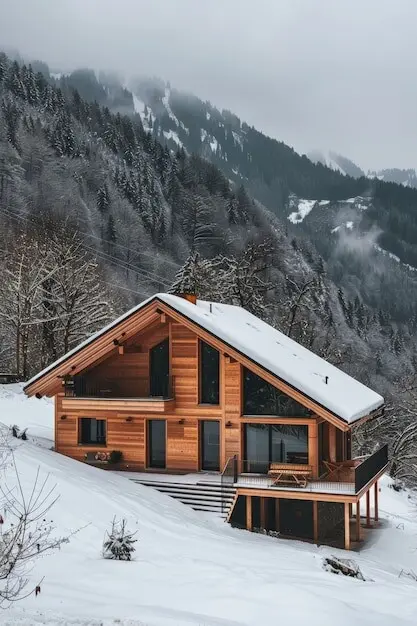
Eurocode maps, local avalanche data, and wind tunnel analogs clarify load paths from ridge to rock. Straightforward structures—CLT plates, glulam frames, splayed columns—distribute forces cleanly and resist drift impacts. Exposed fasteners and junctions remain readable for inspection, while sacrificial drip edges and crush zones acknowledge that nature tests honesty more kindly than bravado.
Daylight Strategy for Short Winter Suns
South-biased glazing invites low winter light deep into rooms, while overhangs and exterior shades temper summer intensity. Light-colored interiors rebound scarce photons, and matte finishes reduce alpine glare. Clerestories lift spirits during short days, and layered lighting—warm, dimmable, indirect—keeps evenings gentle, protecting circadian rhythms when storms stretch across entire weeks.
Crafted Materials and Local Traditions
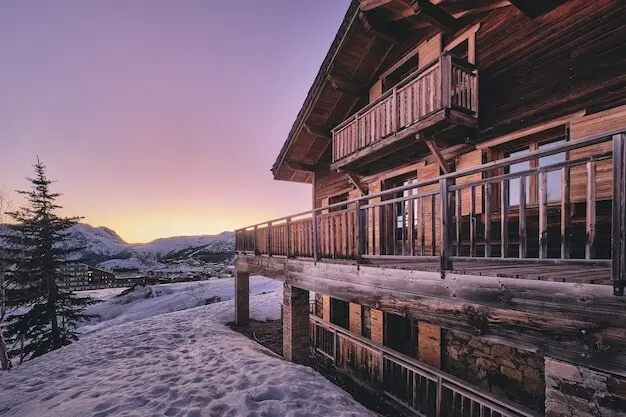
Alpine cabins carry stories in their grains and seams. Borrowing from shepherd huts and timbered barns, contemporary details refine vernacular lessons without nostalgia. Local species reduce transport, familiar fasteners ease repairs, and regional craft sustains livelihoods. The aim is continuity: a building that feels inevitable beside a moraine, equally respectful of moss, herds, and neighbors, while confidently meeting today’s expectations for comfort, efficiency, and longevity.
Interior Calm for Harsh Landscapes
Inside, restraint becomes generosity. A narrow palette—wood, stone, wool, lime—lets light do the decorating and fingers do the judging. Built-ins tame gear, quiet corners invite reading, and heated floors make dawn practical. The choreography from porch to fire warms bodies and tempers; clutter recedes. The cabin becomes a tool for attention, a refuge that grounds return trips through spindrift and shining crusts alike.
Off-Grid Systems Done Elegantly
Self-sufficiency need not look like compromise. Solar arrays tilt for winter sun and easy snow shedding, batteries hide in insulated closets, and a small backup generator waits out unusual stretches. Water arrives by snowmelt capture or springs, filters quietly, and departs through thoughtful greywater treatment. The best systems vanish into the background, allowing ritual, view, and laughter to take the stage.
Energy: Photovoltaics, Micro-hydro, and Storage
High-efficiency panels on steep racks clear fast after storms, while micro-hydro hums through shoulder seasons where streams permit. Lithium batteries thrive with gentle heating and smart management. Minimal loads—induction, LED, efficient pumps—honor limited resources. Monitoring apps reassure distant owners without stealing attention from the window, the book, or the crackling stove.
Water: Snowmelt Capture and Greywater Loops
Metal roofs feed insulated gutters, meltwater rests in buried cisterns, and multi-stage filtration makes it sweet again. Greywater warms drain lines, then filters through bioactive beds before dispersal. Simple valves, labeled clearly, invite good habits. In winter, trace heat and thoughtful routing defend against freeze, keeping taps lively when stars feel close.
Siting with Avalanches and Wildlife in Mind
Read the slope like a diary: bent saplings, scoured stones, and old debris mark runouts to avoid. Keep night paths dark for owls and chamois, and angle windows to reduce collisions. Vegetation screens help wildlife pass, while setback distances and contour-sensitive footprints keep people safe without fencing the mountain away from itself.
Trails, Access, and Seasonal Logistics
Footpaths flow with contours to limit erosion, boardwalks traverse wet patches, and winter routes respect drifts and wind lips. Staging areas keep snowcat and sled traffic organized. Helicopter lifts, when needed, happen with clear checklists and calm radios. Thoughtful logistics shrink scars, shorten projects, and keep the cabin reachable when weather rewrites plans.