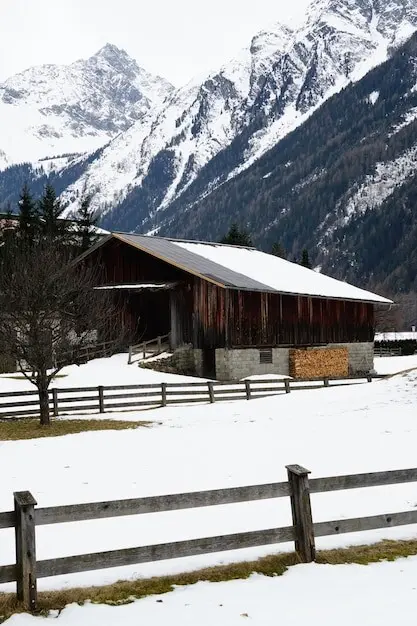
Across the High Meadows: A Living Gallery of Alpine Wildflowers
Step into the sky-bright world of wildflower and botanical walks across alpine meadows, where crisp air, ringing larksong, and resilient blooms create unforgettable hours between snowbanks and sun. We’ll share seasonal timing, identification tips, safety at altitude, respectful walking practices, and soulful stories that connect botany with memory. Bring curiosity, steady pacing, and an open heart; leave with names, colors, and quiet moments worth keeping. Tell us what you notice, ask questions, and help other walkers discover gentle ways to care for these fragile places.

Chasing the Bloom: When High Meadows Come Alive
Knowing when petals unfurl above the treeline turns wandering into wonder. Snowmelt lines creep upslope, unlocking micro-seasons that can swing from frosty dawn to balmy noon within a single trail. Follow meltwater ribbons, watch south-facing slopes first, and listen to ranger forecasts. Bring patience; a delayed thaw can erupt into extraordinary abundance. Sunrise and late afternoon reveal shy blossoms and calmer paths, while midday storms demand caution. Keep to durable surfaces, admire from the trail’s edge, and let timing transform every step into discovery.
Gearing Up for Thin Air Comfort
Comfort at altitude begins with thoughtful layers, reliable footing, and pragmatic safety habits. Pack a light shell, insulating mid‑layer, brimmed hat, and sun gloves; ultraviolet is unapologetic up here. Solid traction, trekking poles, and blister prevention matter on angled scree. Add a paper map, compass, charged phone in airplane mode, and a tiny emergency bivy. Rain squalls can turn to graupel within minutes, so keep dry bags handy. Carry water you’ll actually drink, salty snacks, and curiosity balanced by caution.
Reading the Flowers: Simple Botany for Curious Walkers
Learning a few patterns turns mystery into companionship. Notice how petals arrange themselves—stars, bells, tubes—and how sepals may masquerade as petals in clever high‑country strategies. Families repeat signatures: buttercup gloss, pea banners and wings, daisy discs flanked by rays. Leaves whisper clues with margins, textures, and placements; cushions hug wind, while rosettes gather warmth. Latin names can feel musical maps toward kinship, not hurdles. A pocket notebook anchors memory better than any snapshot. Curiosity, not expertise, makes identification truly sing.
Petals, Sepals, and Hidden Structures
Gently trace, with eyes only, how a bloom presents itself to sun and pollinator. Count petals, seek patterns of five and multiples, and peek for nectar guides painted like runway lights. Sepals may be colorful decoys, especially in harsh weather, while stamens and styles reveal family ties when magnified. Tubular corollas shelter warmth from wind; open saucers welcome diverse visitors. Understanding form turns each encounter into conversation, letting names arrive naturally after you have listened to the plant’s elegant introduction.
Leaves, Stems, and Growth Forms
Up high, architecture is survival. Cushions minimize wind shear, matting leaves into heat‑holding domes. Rosettes store energy close to rock, while hairy stems trap moisture and ultraviolet. Note whether leaves sit opposite, alternate, or whorled; such choreographies narrow possibilities quickly. Examine margins for teeth, lobes, or smooth arcs, and feel textures without plucking. Even tiny basal leaves can reveal identity when blossoms hide. The more structures you notice, the more meadows shift from blur to library, every tuft shelving stories within reach.
Ethics, Look‑Alikes, and Respect
Some beauties resemble edible or medicinal relatives, yet collecting here harms fragile communities and may be illegal. Photograph, sketch, and record coordinates instead of taking. When uncertainty nags, celebrate the mystery rather than forcing a name. Avoid stepping on cryptobiotic soils or cushion plants that can take decades to mend. Keep dogs leashed where required, and teach children to admire with eyes and lenses. Ethical habits protect both plants and future wonder, ensuring the next walker meets a living, undiminished tapestry.
Life on the Edge: Ecology and Pollinators at Elevation
Alpine meadows hum with ingenious agreements. Short seasons press plants to grow fast, flower close to the ground, and partner with mycorrhizae for nutrients. Wind sculpts low silhouettes; ultraviolet deepens pigments that also beckon pollinators. Bumblebees warm muscles by shivering, flies substitute on cold mornings, and butterflies trace sunlit corridors between rocks. Climate shifts redraw these contracts, altering bloom timing and visitor schedules. Witnessing interdependence inspires careful steps, generous pauses, and heartfelt gratitude for systems that keep color moving through thin air.
A Dawn Ridge with Edelweiss
We started under stars, breath fogging like soft banners, and reached the ridge just as light slid between distant summits. A single edelweiss stood beside weathered rock, modest and luminous, where boots often wander. We stepped wider, whispered thanks, and lingered long enough to hear bumblebees warming themselves through low vibrations. That morning taught restraint as devotion: sometimes the best picture remains unwritten, the flower unbent, and the memory bright because we allowed the mountain to finish its quiet sentence first.

Family Loop Past a Singing Stream
A gentle loop followed a chatterbox creek, perfect for small legs and big eyes. We counted daisies, practiced leaf shapes, and invented stories for every butterfly that paused like punctuation along the bank. Snacks appeared at strategic boulders, and a small field guide turned questions into discoveries. We modeled stepping on rocks rather than soft mats, making a game of it, cheering each successful hop. The day ended with muddy boots, clean joy, and children asking when we could return to listen again.
Capture and Share: Photography, Sketching, and Community
There are many ways to carry beauty home without taking anything. Photography reveals texture and pattern; sketching trains attention to line, proportion, and light; journaling anchors scents, sounds, and feelings that lenses cannot keep. Use diffusers, reflectors, and gentle angles rather than intrusive setups. Tag observations in citizen science platforms to support researchers tracking bloom shifts. Subscribe for seasonal field notes, share respectful tips in the comments, and invite friends who need quiet color. Community grows wherever curiosity meets care.